All eyes are on Paris for the next two weeks thanks to the 2024 Olympics. And while people certainly stream the events for the love of the sport, it’s really the storytelling that connects people to teams and athletes they’ve never met. In this blog, let’s talk about the Olympics, what we can learn from the storytelling surrounding the games, and how you can take some of their practices and incorporate them into your own marketing plan.
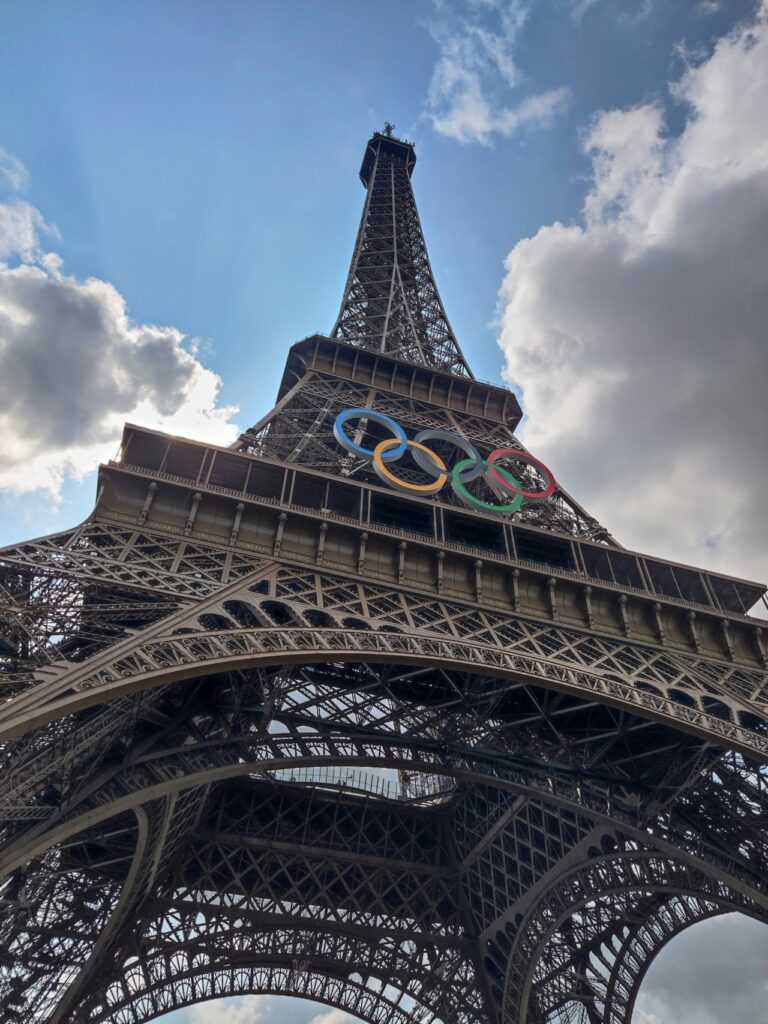
For the next two weeks, Paris is home to some incredible storytelling and marketing.
Olympics 2024: From Storytelling to Marketing Plans
First, here are some facts for you about the 2024 Olympics in Paris, France:
- In the lead up to the 2024 Olympics, NBC Universal sold $1.2 billion in ad commitments, which will run from July 26 to August 11.
- The opening ceremony that floated down the Seine River was watched by nearly 29 million viewers.
- According to recent Gallup polls, 35% of Americans plan to watch a “great deal or fair amount” of the games.
Key Features of Olympic Storytelling
The storytelling happening at and around the Olympics hits on some enduring, universal themes like:
- Overcoming adversity
- Excellence
- Respect and appreciation of other cultures
- Friendship among athletes
- Appreciation for competition
These themes really shine in the commercials created by big brands and shown in between competitions. These commercials usually tell a story related to overcoming adversity, working towards excellence, or the support an athlete receives from loved ones. This year, Eli Lilly and Company, Dick Sporting Goods and Nike all stand out with impactful ads that cover topics and create stories around ideas like caring for your one and only body, the big moments that begin a child’s quest for athletic excellence, and the drive of competition.
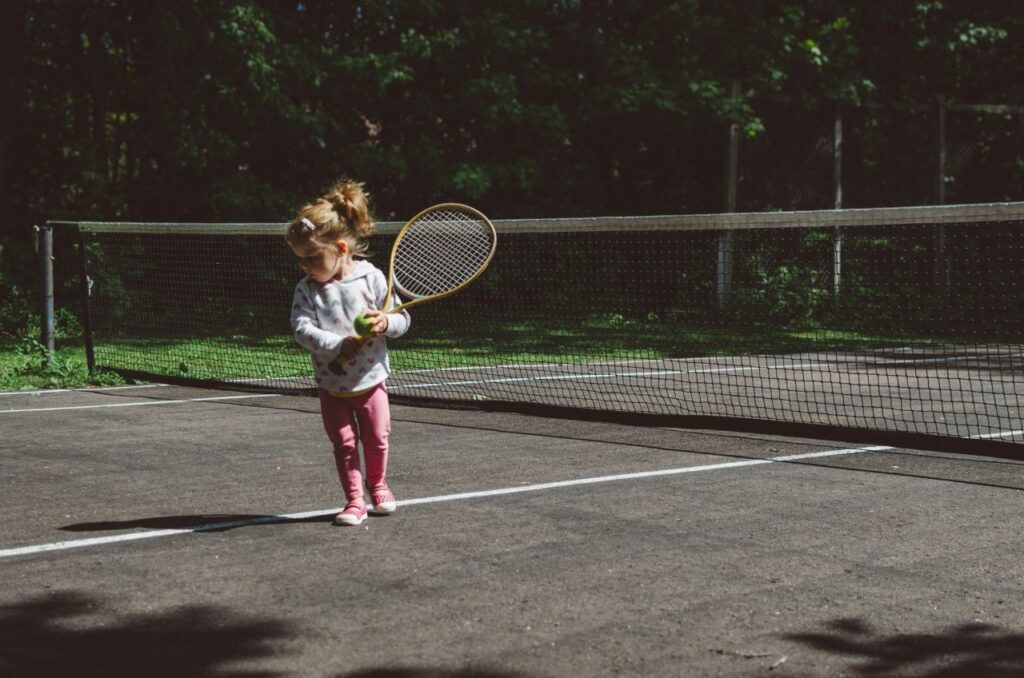
One type of story you’re likely to see at the Olympics is looking back at the athletes’ journeys, from childhood to today.
Three Lessons to Take from Olympic Storytelling
Now that we know the typical story themes you’re likely to see at the Olympics, let’s look at what you can learn from the stories told at the Olympics and how to incorporate them into your own marketing plan and brand’s storytelling.
1. Your brand’s beginning and early days are powerful parts of your story.
One of my favorite parts of the Olympics is getting to know the athletes and understanding where they come from and what caused them to end up on this global stage. Often as you watch the competitions, the network will add in highlights and background stories that show the athlete growing up, practicing in their home gym, working with their coaches and spending time with their family. This is powerful because it sets the scene for their success at the Olympics. To fully understand who these athletes are, you have to go back to the beginning.

Talking about your brand’s early days, before you make a big splash, is often a powerful tool for connecting with audiences.
The same goes for telling the story of your brand — be sure you are talking about where you came from, your early years and what led you to where you are today. People want the full picture so they feel like they know you. For example, see how J.O. Agency celebrated its 25th anniversary last year with a celebratory timeline and look back.
2. Use your failures and setbacks to highlight your character, brand values and drive for success.
So far in the Paris Olympics, the Team USA female gymnasts have carried a lot of headlines thanks to their stories. Over the last four years Suni Lee overcame two serious kidney diseases to relearn everything she knew about gymnastics. Pushing through the struggle led her back to the Olympics in 2024.
Simone Biles, considered the G.O.A.T., came back to the Paris Olympics to write the final chapter of her Olympics story. She shared the behind-the-scenes story of having the twisties at the Tokyo Olympics and her decision to remove herself from the competition in a sit-down interview. By explaining what she was thinking and feeling at the last Olympics, along with how she worked in the months and years after to prevail against it, she set the stage for her comeback story.
What’s crucial to each of these stories is how the setback didn’t have the final say on the athletes’ success. Their willingness to share their limitations and challenges only highlights their strength and will to find a way forward. You learn so much about them and, crucially, begin cheering for them as you learn what all they have been through.
These two these examples are just two of many, many stories of triumph at the Olympics. Just how every Olympian is a human with a real story and genuine challenges, your brand is, at the end of the day, about humans building, creating, planning, dreaming, and connecting too. Your failures play an important part in your storytelling so don’t be afraid to talk about them.

Stories of triumph are much more powerful when you talk about the adversity and challenges you have faced. Don’t shy away from those in your own storytelling.
3. Sharing yourself authentically allows people to connect in a powerful way and become brand converts.
Here are just a few examples of authentic moments that have been shared across the internet:
- The New Zealand women’s rugby team performed the traditional haka after winning a gold medal.
- Videos also circulated online of Team Fiji singing “Mo Ravi Vei Jisu,” a Fijian hymn in the Olympic village.
- Team USA’s Stephen Nedoroscik (men’s gymnastics) took off his glasses to save the day and cinch the bronze for Team USA Men’s Gymnastics.
- Ilona Maher (Team USA women’s rugby) has excelled across social media, on the field and in interviews with a confidence that have driven many people to start paying her real, notable attention.
- Showing the family members watch their athlete compete is always compelling, no matter the sport or person.
Thinking about your brand and story, remember that even if the end goal is to appear polished, trustworthy and professional, people will still, at the end of the day want to connect. It’s important to think through how you can help your brand personality come alive in your messaging, storytelling and marketing.
To learn more, take a look at how we recently helped the City of Sansom Park tell their story.

Learn from the Olympics’ athletes, authenticity is vital for connecting with audiences.
J.O. Agency Will Help You Tell a Good Story
Our team loves a good story. Even better? We love helping create them. If you need help figuring out your branding and storytelling — or how to incorporate them into your marketing plan, let’s talk! You can see some our past work here, get to know our team here, and them reach out to us here on our website.